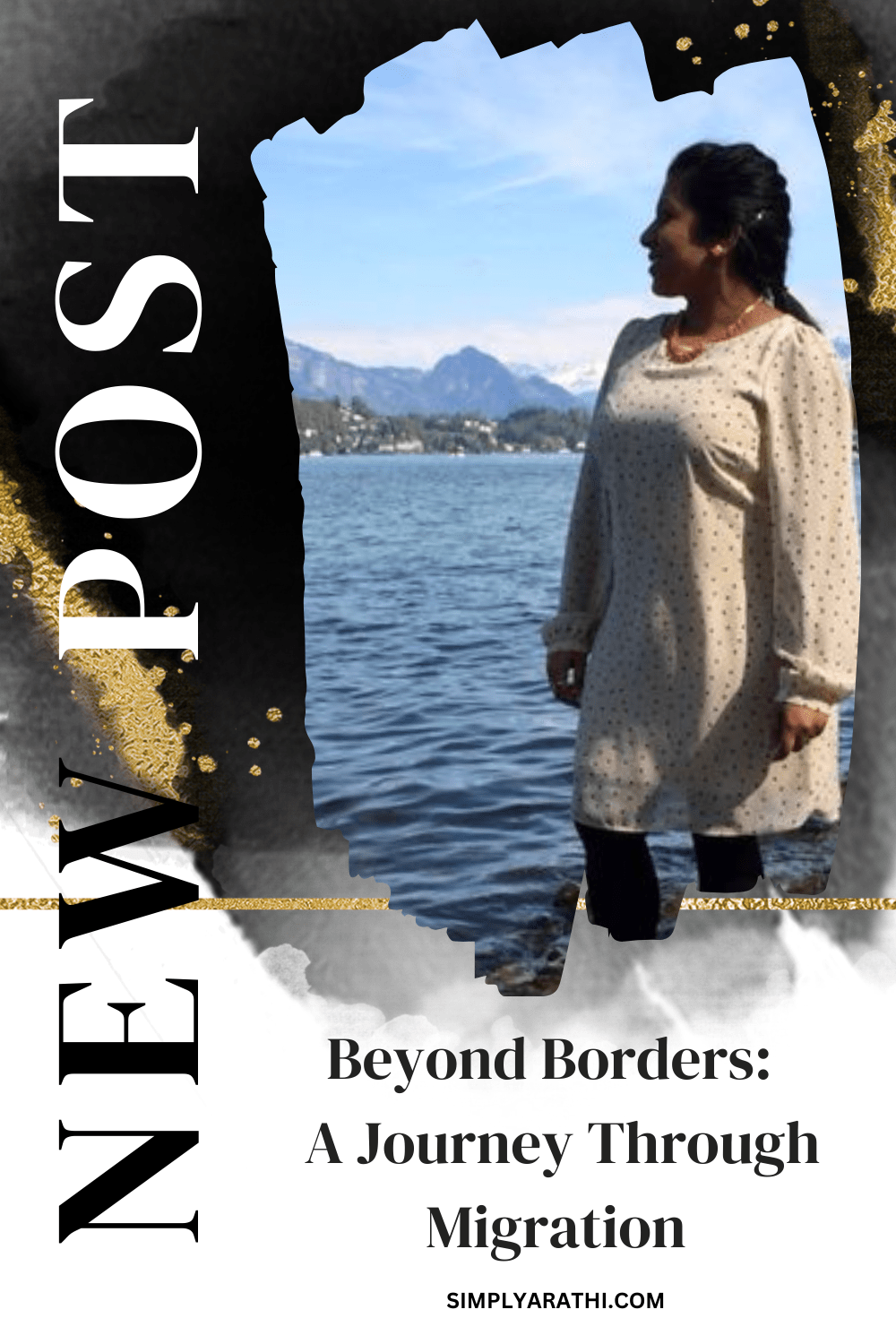
It has been over a decade since I arrived in the United Kingdom for my education, and I have since chosen to make it my home. The transition from the tropical beauty of Sri Lanka to the UK was a significant challenge despite my upbringing in Colombo, a city marked by the influence of British colonialism. While I was familiar with some aspects of British culture, adapting to a completely different climate and lifestyle was still difficult.
Arriving in my early twenties, I faced the daunting task of integrating into university life. Navigating cultural and societal differences, particularly in how young people communicate, proved to be more difficult than I anticipated—even though I was fluent in English. The spoken language’s vocabulary, expressions, and nuances were worlds apart from what I knew.

People often approach me with curiosity, asking, “How is it that you speak English so well, coming from Sri Lanka? You hardly have an accent!” While I genuinely appreciate the compliment, I find it a bit puzzling. This question reveals a common misconception about Sri Lanka and its relationship with the English language.
Many people seem to assume that all Sri Lankans struggle with English or that those who speak it fluently are somehow exceptions. There’s a stereotype that paints a picture of Sri Lankans primarily as refugees or individuals lacking in English proficiency.
Sri Lanka has a rich history of English education, influenced by British colonial rule. English is widely used in business, government, and education. As a result, many Sri Lankans are bilingual or even multilingual, with a significant number achieving a high level of fluency in English.
For me personally, my background includes access to quality education and environments where English is spoken frequently, allowing me to develop my language skills.
Landing at a UK airport alone was a milestone I had never experienced before. My parents always accompanied me on trips, managing everything from flights to accommodations. I had little responsibility beyond packing my bags for our joyful adventures.
To be honest, I never wanted to leave Sri Lanka. I had a fulfilling life with great friends and a comfortable job that allowed me to enjoy the finer things. Leaving that behind for a foreign country felt unnecessary. However, my parents believed it was essential for me to understand that, and as a Tamil girl during the civil war, opportunities for a safe and prosperous future were limited.
Despite the challenges, I gradually made the UK my home. Yet, I still encountered barriers: the label of “immigrant,” comparisons of my English fluency to that of my peers, and the cultural differences that sometimes made me feel naive.

Although I had a privileged lifestyle in Sri Lanka—thanks to my father’s esteemed position—I was raised to value money and independence. My parents wanted to make sure I understood the importance of self-sufficiency. They covered my university fees and accommodation, but I was expected to earn money for my personal expenses. This experience, while better than what many migrants faced, still required a significant shift in mindset.
I had to navigate budgeting and managing my expenses, which meant cutting back on social activities to balance work and study. In the beginning, it was really hard for me. I always enjoyed a joyful lifestyle, fun activities, and social outings. But now, I found myself without holidays or a social life. While everyone around me, including people my age and even younger, enjoyed university trips, parties, and fun day outings, I felt stuck. All I could do was work and study. My social life became restricted, and I had to prioritise my responsibilities over my enjoyment.
The working culture in the UK was vastly different, particularly regarding promotions and professional expectations. Although I was fluent in English, communication sometimes posed challenges. Converting my thoughts from my mother tongue to English sometimes resulted in misunderstandings, and I struggled to express my true intentions.
Additionally, the perceptions of Sri Lankan migrants were often coloured by stereotypes. Many were seen as refugees or victims of war, leading to empathy or, at times, fear that I was associated with a troubled past. This stigma made it difficult at times.
One of the most significant challenges for migrant communities is the tendency to remain anchored in the past. Many hold onto traditions and cultural practices from when they left their homeland, making it hard for their children to forge their identities. This creates a complex dynamic where the younger generation grapples with their parents’ strong ties to their roots while navigating life in a new culture.

Reflecting on this journey, I recognise that while it has been filled with challenges, it has also been incredibly rewarding. I’ve learned to understand, adapt to, and embrace the culture and lifestyle in the UK. As a quick learner, I found connecting with others easier and integrating into my new surroundings. My openness to learning and trying new things has led to numerous personal and professional growth opportunities. Although initially frustrated about moving from Sri Lanka, I have come to appreciate the benefits and vast opportunities this experience has provided.
This openness not only enriched my life but also enhanced my work experience. My passion for giving back led me to engage with UK-based charities, where I have had the privilege of working alongside the younger generation. This involvement has taught me so much, and I continue to learn from them every day.
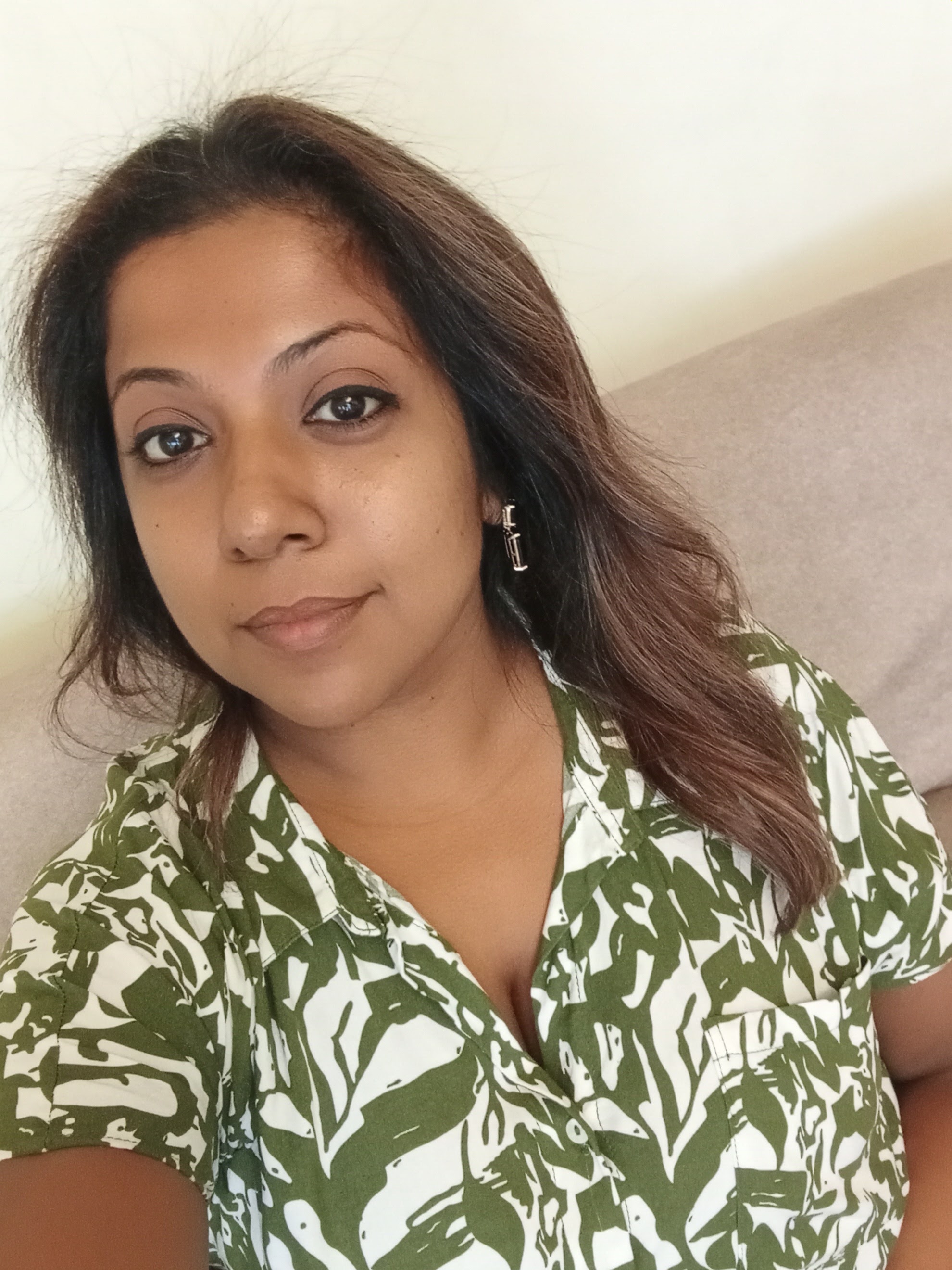
Being a young Sri Lankan Tamil migrant has taught me resilience and many invaluable lessons over the years. Rather than remaining stagnant and unwilling to learn or adjust, I embraced change and let go of certain narrow-minded beliefs deeply rooted in my upbringing—ideas mistakenly regarded as culture and tradition. I made the conscious decision to use my own mind, analysing what was truly necessary and what could be released, rather than blindly adhering to outdated notions of what it meant to be a respectful Sri Lankan Tamil girl.
I consider myself one of the lucky ones who transformed challenges into a wonderful and successful lifestyle. After marriage, my life became more interesting and joyful. While some may see my journey as average, it all depends on how content you are with your life. I have worked with incredible people in various fields, engaged with diverse communities, and connected with individuals from different generations. I’ve also travelled to countless countries, which has enriched my perspective. Many might focus on the negativity in life, but I choose to see the positives and the blessings I have experienced along the way.
It’s important to acknowledge that, despite the resilience of many Sri Lankan Tamil migrants in the UK, a significant portion has faced challenges. Studies indicate that around 30% of Sri Lankan Tamil migrants have struggled with issues such as depression and stress as they adapt to their new environment. This highlights the need for ongoing support and understanding within the community as we navigate the complexities of our identities and experiences.
Below are some statistics on Sri Lankan Tamil migrations over the years.
- Educational & Professional: In the 1970s, many Sri Lankan Tamils who migrated to the UK secured white-collar jobs, often due to their educational backgrounds and professional qualifications such as Healthcare, Engineering and IT.
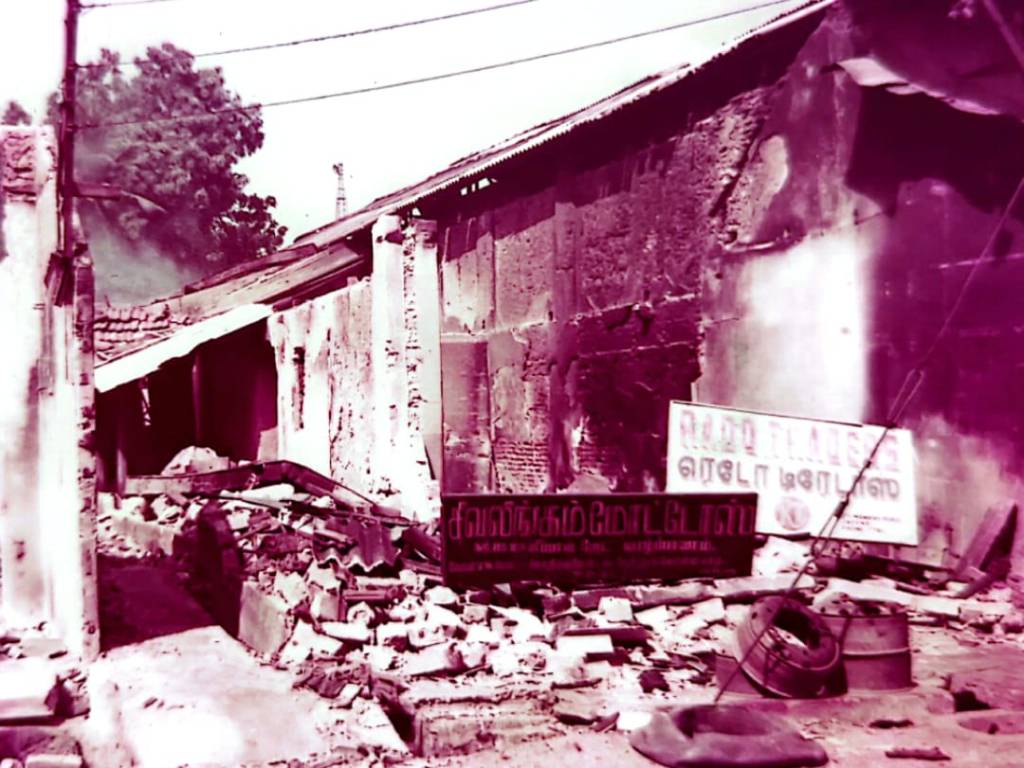
- Asylum Seekers: A considerable number of Tamils applied for asylum in the UK during the conflict. From 1980 to 2000, tens of thousands of Sri Lankan Tamils settled in the UK.
- Refugee Status: Many were granted refugee status, while others obtained humanitarian protection.
socioeconomic Integration
- Employment: Many Tamils have established successful careers, especially in sectors like healthcare (e.g., nursing), IT, and education. Small businesses, particularly in catering and retail, are also common.
- Education: The Tamil community places a strong emphasis on education, with many children attending schools and universities.
Challenges
- Integration Issues: Some challenges include cultural assimilation, language barriers, and discrimination. Despite these, many Tamils have successfully integrated into British society.
- Political Activism: There are active political groups within the community advocating for the rights of Tamils in Sri Lanka and raising awareness about historical injustices.
Current Trends
- Continued Migration: In recent years, there has been a resurgence in migration from Sri Lanka due to ongoing political and economic issues, as well as the impacts of the COVID-19 pandemic.
References :
Sri Lankan Tamils in the UK: A Community Profile”:This report often includes demographic, educational, and employment statistics. It may be published by local universities or community organisations.
The Tamil Diaspora: An Overview: Research papers focusing on the Tamil diaspora often include data on migration trends and educational attainment.
Migration Policy Institute: Reports on migrant communities in the UK often cover the economic and educational status of refugees and asylum seekers, including Tamils.
UK Office for National Statistics (ONS): The ONS provides census data and reports on ethnic minorities, including educational attainment and employment statistics.
NHS Workforce Statistics: Annual reports detail the composition of the NHS workforce, including demographic breakdowns of staff, which can highlight the contributions of Tamil professionals.
Home Office Reports on Asylum Seekers: These reports provide insights into the demographics and backgrounds of asylum seekers, including Sri Lankan Tamils.
Tamil Community Organizations: Organisations such as the Tamil Foundation or Tamil Association UK may have published reports or surveys on educational and professional outcomes within the community.
News Articles and Media: Publications such as the Tamil Guardian or community sections in UK newspapers often report on educational achievements and community developments.
JSTOR or ResearchGate: These platforms may have articles and papers on the Tamil diaspora, including educational and employment statistics.




 STRENGTH FROM SCARES
Your thoughts …